Revolutionize Cleaning Inspections Using AI Innovations
- leezamallers
- Nov 6, 2025
- 4 min read
Cleaning inspections are essential to maintaining hygiene and safety in many environments, from hospitals to hotels and office buildings. Yet, traditional inspection methods often rely on manual checks, which can be inconsistent, time-consuming, and prone to human error. Artificial intelligence (AI) offers new ways to transform how cleaning inspections are conducted, making them more accurate, efficient, and reliable.
This post explores how AI innovations are changing cleaning inspections, practical examples of AI tools in use, and what this means for businesses and cleaning professionals.
Why Cleaning Inspections Matter
Maintaining cleanliness is more than just appearance. It affects health, safety, and customer satisfaction. For example:
In healthcare, poor cleaning can lead to infections.
In food service, it can cause contamination.
In workplaces, it impacts employee well-being.
Regular inspections ensure cleaning standards are met. However, manual inspections depend on human judgment, which varies. Inspectors may miss spots, overlook details, or have inconsistent criteria. This can lead to problems going unnoticed until they become serious.
How AI Changes the Inspection Process
AI uses computer algorithms to analyze data, recognize patterns, and make decisions. In cleaning inspections, AI can:
Automate visual checks using cameras and image recognition.
Analyze cleaning data from sensors and devices.
Provide real-time feedback to cleaning staff.
Track performance over time with detailed reports.
These capabilities reduce human error and speed up inspections. AI systems can detect dirt, stains, or missed areas that might be invisible to the naked eye or easily overlooked.
Examples of AI Tools in Cleaning Inspections
1. Computer Vision for Surface Analysis
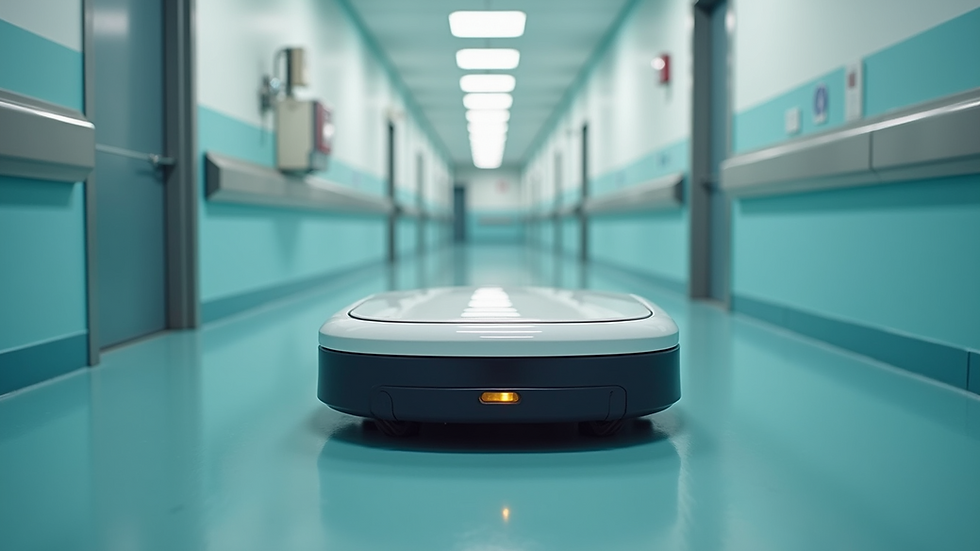
Cameras combined with AI image recognition can scan surfaces and identify cleanliness levels. For example, a robot equipped with a camera can move through a room, capturing images of floors, walls, and furniture. The AI analyzes these images to detect dust, spills, or stains.
This technology is already used in some airports and hospitals to ensure high hygiene standards. It can highlight problem areas for cleaning staff to address immediately.
2. Sensor-Based Monitoring
Sensors installed in cleaning equipment or environments can track when and where cleaning happens. For instance, sensors on mop handles or vacuum cleaners can record usage time and locations cleaned. AI analyzes this data to verify that cleaning tasks were completed as scheduled.
Some systems use air quality sensors to detect contaminants or odors, signaling when extra cleaning is needed.
3. Predictive Maintenance and Scheduling
AI can predict when certain areas require cleaning based on usage patterns. For example, a conference room used heavily during the day may need more frequent cleaning than a rarely used storage area. AI systems analyze foot traffic and environmental data to create optimized cleaning schedules.
This approach saves resources by focusing efforts where they are most needed.

AI robot inspecting hospital floor for dirt and stains
Benefits of Using AI in Cleaning Inspections
Improved Accuracy
AI reduces missed spots and subjective judgments by providing consistent, data-driven assessments.
Time Savings
Automated inspections take less time than manual checks, freeing staff for other tasks.
Better Documentation
AI systems generate detailed reports with images and data, useful for compliance and quality control.
Enhanced Accountability
Cleaning staff receive immediate feedback, encouraging higher standards and faster corrections.
Cost Efficiency
Optimized cleaning schedules and fewer errors reduce waste and lower operational costs.
Challenges and Considerations
While AI offers many advantages, there are some challenges to consider:
Initial Investment
Implementing AI tools requires upfront costs for hardware and software.
Training and Adoption
Staff need training to work with AI systems and trust their results.
Data Privacy
Using cameras and sensors raises privacy concerns that must be addressed with clear policies.
Technical Limitations
AI may struggle with unusual dirt types or complex environments without proper calibration.
How to Start Using AI for Cleaning Inspections
Assess Your Needs
Identify areas where inspections are critical and where AI can add value.
Choose the Right Tools
Select AI solutions that fit your environment, such as computer vision for visual checks or sensors for monitoring.
Pilot and Evaluate
Test AI tools in a small area to measure effectiveness and gather feedback.
Train Your Team
Ensure cleaning staff and supervisors understand how to use AI systems and interpret results.
Scale Up
Expand AI use based on pilot success, continuously monitoring performance.
The Future of Cleaning Inspections with AI
AI will continue to evolve, integrating with robotics, Internet of Things (IoT) devices, and cloud computing. Future cleaning inspections may involve:
Fully autonomous cleaning robots that inspect and clean simultaneously.
AI systems that adapt cleaning methods based on detected contaminants.
Integration with building management systems for holistic facility care.
These advances will make cleaning inspections more proactive, precise, and efficient, improving safety and satisfaction across industries.
Cleaning inspections are critical for health and safety, but traditional methods have limits. AI innovations provide practical tools to improve accuracy, speed, and accountability. By adopting AI, organizations can ensure cleaner environments with less effort and cost. The next step is to explore AI solutions that fit your needs and start transforming your cleaning inspections today.

Comments