Enhance Cleanliness with AI Checkmate Technology
- leezamallers
- Nov 6, 2025
- 5 min read
Cleanliness plays a crucial role in maintaining health, safety, and comfort in homes, workplaces, and public spaces. Yet, ensuring consistent and thorough cleaning can be a challenge. Traditional methods rely heavily on human effort, which can be inconsistent and prone to error. AI Checkmate technology offers a new way to improve cleanliness standards by combining artificial intelligence with smart monitoring and control systems. This blog post explores how AI Checkmate technology works, its benefits, and practical applications that can transform cleaning practices.

What is AI Checkmate Technology?
AI Checkmate technology refers to an intelligent system that uses artificial intelligence to monitor, assess, and guide cleaning processes. It integrates sensors, cameras, and machine learning algorithms to detect dirt, stains, or areas that require attention. The system can then alert cleaning staff or activate automated cleaning devices to address these spots.
Unlike traditional cleaning checklists or manual inspections, AI Checkmate provides real-time, data-driven feedback. It can track cleaning performance over time, identify patterns, and suggest improvements. This technology acts as a digital supervisor, ensuring that cleaning tasks meet high standards consistently.
How AI Checkmate Improves Cleaning Quality
Real-Time Detection and Feedback
One of the main advantages of AI Checkmate is its ability to detect cleanliness issues as they happen. For example, in a hospital setting, the system can scan floors and surfaces to identify spills or contamination. It immediately notifies cleaning teams, reducing the risk of infection spread.
This instant feedback loop helps prevent problems from escalating. Instead of waiting for scheduled inspections or complaints, cleaning staff can respond promptly to specific needs.
Consistent Cleaning Standards
Human cleaning efforts vary depending on factors like fatigue, experience, and workload. AI Checkmate technology standardizes the process by providing clear, objective criteria for cleanliness. It tracks whether every area has been cleaned properly and flags any missed spots.
This consistency is especially important in environments where hygiene is critical, such as food processing plants or childcare centers. AI Checkmate ensures that every corner meets the required standards without relying solely on human judgment.
Data-Driven Insights for Improvement
Over time, AI Checkmate collects valuable data on cleaning patterns and outcomes. Facility managers can analyze this information to identify high-risk areas, peak times for dirt accumulation, or inefficiencies in cleaning schedules.
For instance, a school using AI Checkmate might discover that certain hallways get dirty faster during lunch breaks. They can then adjust cleaning frequency or deploy additional resources to those areas. This targeted approach saves time and resources while maintaining cleanliness.
Practical Applications of AI Checkmate Technology
Healthcare Facilities
Hospitals and clinics demand the highest levels of cleanliness to prevent infections. AI Checkmate systems can monitor patient rooms, operating theaters, and waiting areas. They detect contamination risks and verify that cleaning protocols are followed strictly.
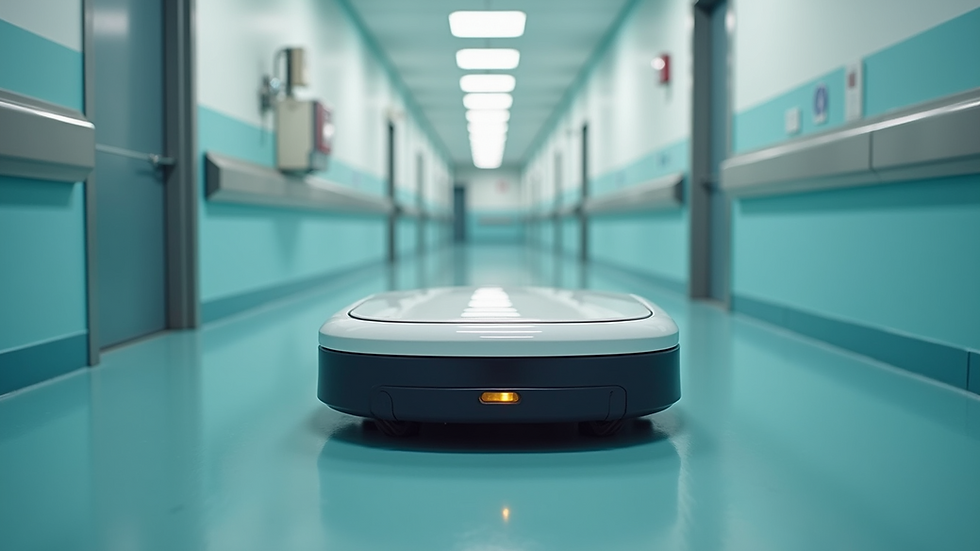
Some hospitals have integrated AI Checkmate with robotic cleaners that automatically sanitize floors and surfaces after detecting contamination. This reduces human exposure to harmful pathogens and improves overall safety.
Commercial Buildings and Offices
In office buildings, maintaining a clean environment boosts employee health and productivity. AI Checkmate technology can track cleaning in common areas like restrooms, kitchens, and conference rooms. It helps janitorial teams focus on areas that need attention rather than cleaning uniformly regardless of need.
This approach reduces cleaning costs and improves satisfaction among building occupants. Facility managers receive reports showing cleaning compliance and can schedule maintenance more effectively.
Public Transportation and Stations
Buses, trains, and stations experience heavy foot traffic, making cleanliness a constant challenge. AI Checkmate systems installed in these environments scan surfaces for dirt, litter, or spills. They alert cleaning crews to address issues quickly, improving passenger experience.
For example, a subway station might use AI Checkmate to monitor platform cleanliness during rush hours. The system can trigger additional cleaning rounds when needed, keeping the environment safe and pleasant.
Food Industry
Food processing plants and restaurants must adhere to strict hygiene standards. AI Checkmate technology helps monitor kitchen surfaces, storage areas, and dining spaces. It ensures that cleaning routines meet health regulations and reduces the risk of contamination.
Restaurants using AI Checkmate can also track cleaning schedules and verify that staff complete tasks properly. This transparency supports food safety audits and builds customer trust.
Benefits Beyond Cleanliness
Cost Savings
By focusing cleaning efforts where they are most needed, AI Checkmate reduces wasted labor and supplies. Facilities can lower cleaning costs without sacrificing quality. Automated alerts prevent costly mistakes and reduce the need for re-cleaning.
Enhanced Safety
AI Checkmate helps identify hazards such as wet floors or spills that could cause slips and falls. Early detection allows for quick action, reducing accidents and liability risks.
Environmental Impact
Targeted cleaning means less use of water, chemicals, and energy. AI Checkmate supports sustainable cleaning practices by minimizing unnecessary resource consumption.
Implementing AI Checkmate Technology
Assess Your Needs
Start by identifying areas where cleanliness is critical or where current cleaning efforts fall short. Consider the size of your facility, foot traffic, and specific hygiene requirements.
Choose the Right System
Select an AI Checkmate solution that fits your environment. Some systems focus on floor cleanliness, while others monitor air quality or surface contamination. Look for options that integrate with existing cleaning equipment or building management systems.
Train Your Team
Introduce cleaning staff to the technology and explain how it supports their work. Emphasize that AI Checkmate is a tool to help them, not replace them. Provide training on responding to alerts and using data reports.
Monitor and Adjust
Use the data collected by AI Checkmate to refine cleaning schedules and procedures. Regularly review reports and involve your team in continuous improvement efforts.
Challenges and Considerations
While AI Checkmate technology offers many benefits, it also comes with challenges. Initial setup costs and integration with existing systems can be barriers. Privacy concerns may arise if cameras or sensors are used in sensitive areas. It is important to balance technology use with respect for personal space and data security.
Additionally, AI systems require ongoing maintenance and updates to stay effective. Facilities should plan for technical support and staff training to maximize the value of AI Checkmate.
The Future of Cleanliness with AI
As AI technology advances, AI Checkmate systems will become more sophisticated. Future developments may include:
Integration with smart building systems for automated cleaning and maintenance
Advanced sensors that detect invisible contaminants like bacteria or allergens
Predictive analytics to prevent cleanliness issues before they occur
These innovations will make maintaining clean environments easier, safer, and more efficient.
Maintaining high cleanliness standards is essential for health, safety, and comfort. AI Checkmate technology offers a practical solution by providing real-time monitoring, consistent standards, and data-driven insights. Whether in healthcare, offices, public transport, or food service, this technology helps ensure spaces stay clean and safe. By adopting AI Checkmate, facilities can improve cleaning quality, reduce costs, and create healthier environments for everyone. Consider exploring AI Checkmate technology to enhance your cleaning practices today.

Comments